Precision begins before the first plate is cut
Modern yacht construction is engineered in three dimensions long before material arrives at the yard. Structural models, weight studies and systems routing remove much of the guesswork that earlier generations of builders absorbed on the shop floor.
What the model cannot resolve is variation: how a plate behaves under heat, how a veneer moves with humidity, how a joint reads to the eye at close range. That interval between drawing and object is where craftsmanship still lives.
Fairing, finishing and the discipline of patience
A superyacht hull is judged by a reflection. Achieving a surface that reads as a single continuous curve is slow, physical work carried out by people who can feel a deviation before an instrument reports it.
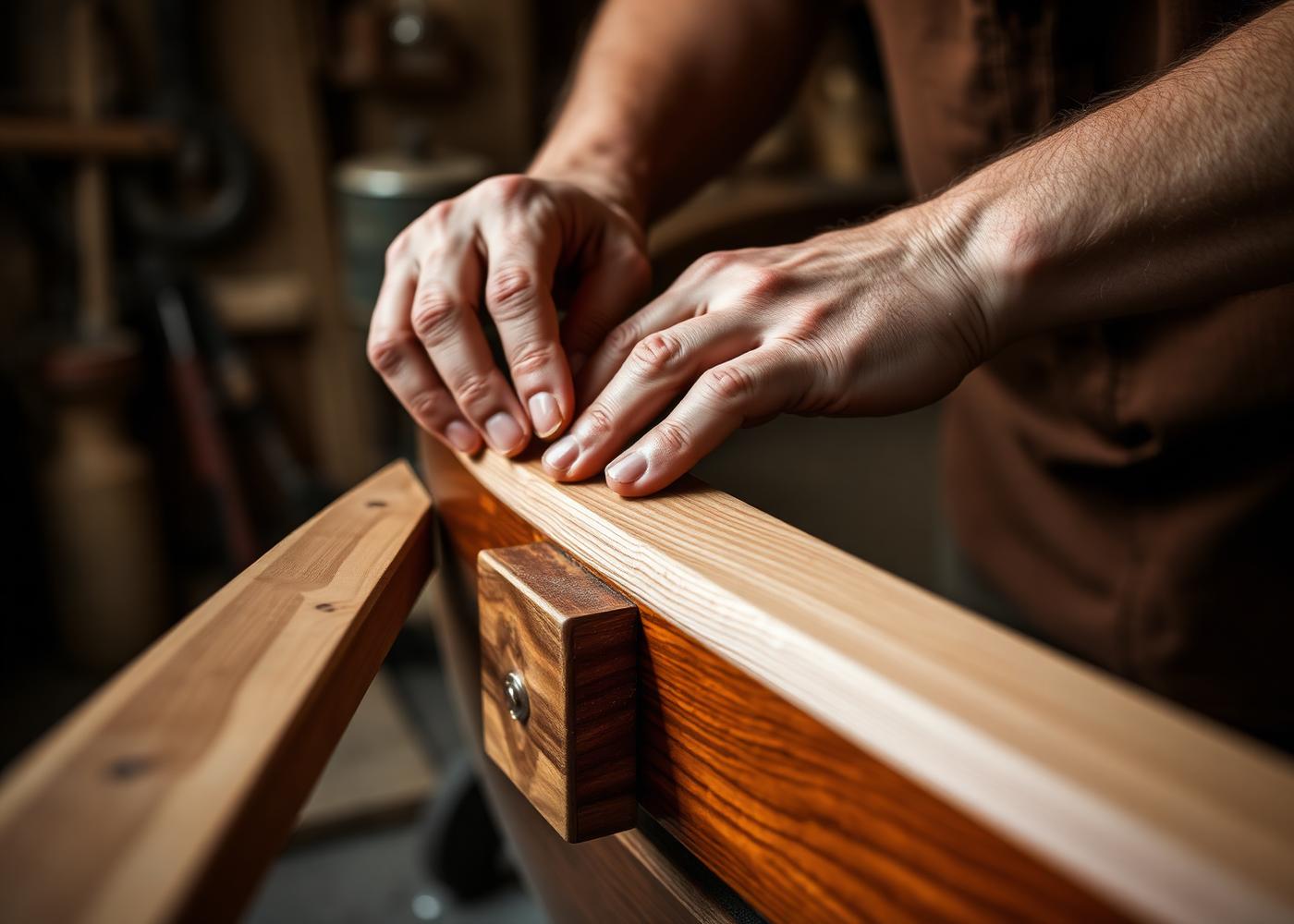
The same is true inside. Bespoke joinery in a moving structure has to accommodate deflection and climate without opening a visible line — knowledge accumulated across projects rather than written into a specification.
Craft as risk management
Experienced craftsmen shorten build programmes. They identify a conflict at the moment of assembly rather than after a compartment is closed, and their judgement reduces rework — the single largest source of delay in custom construction.
This is why yards that train their own people tend to hold schedule better than yards that assemble temporary teams for each contract.
Custom Superyacht Building in Turkey · Selected Series and Projects